Randomize Only After the Eligible List Is Frozen and Auditable
Make a random order defensible by cleaning eligibility first, preserving the source list, and separating shuffling from selection rules.
Open List Randomizer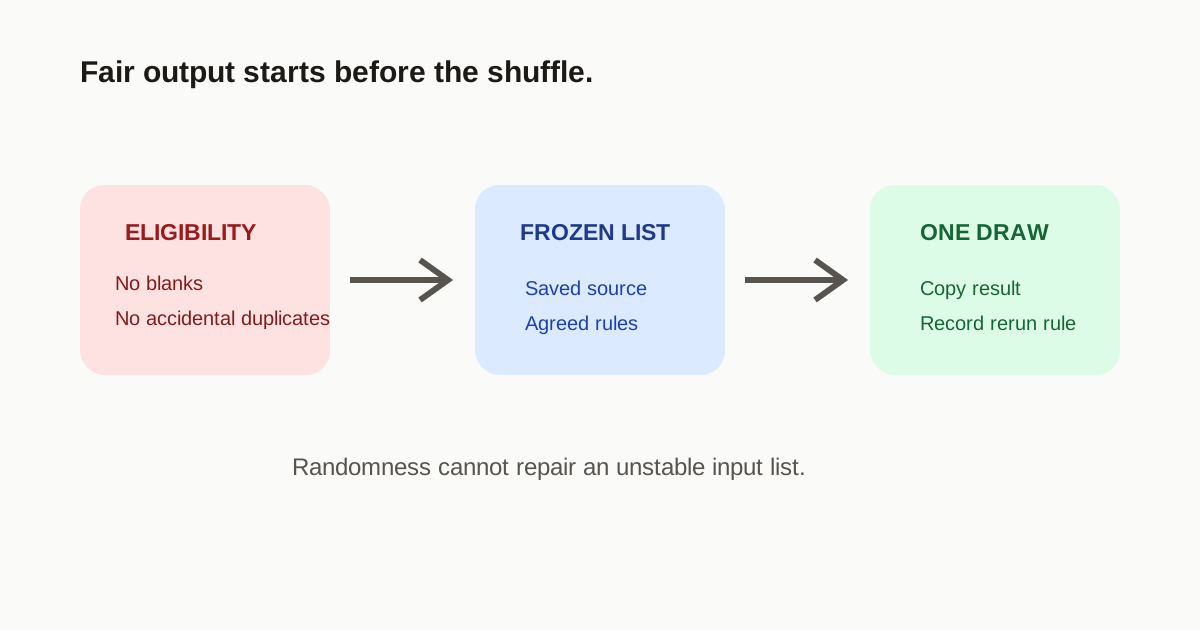
A team shuffles presentation order, then notices one duplicate and reruns the draw. Even if the second result is random, the process now looks negotiable. Randomness cannot repair an unclear eligibility list or an undocumented rerun.
Freeze inputs before introducing chance
Remove blank lines, confirm spelling, resolve duplicates, and record who is eligible. Save that source list before pasting it into List Randomizer. The frozen input is the evidence that every valid entry had one place in the draw.
Define what the random output decides
- A shuffled list sets order but does not automatically select a winner.
- A random item chooses one entry but needs a rule for whether that entry is removed afterward.
- Team assignment needs a separate rule for group size and leftovers.
- A giveaway may require proof of eligibility and published redraw conditions.
Record the outcome, not a claim of perfect randomness
Copy the resulting order and note when the draw happened and which frozen list was used. For regulated lotteries, high-value awards, or cryptographic selection, use a process designed for independent verification. A lightweight browser randomizer is best for everyday ordering, facilitation, and low-stakes selection.
FAQ
Should I remove duplicate names before randomizing?
Yes, unless multiple entries are explicitly part of the rules. Otherwise a duplicate silently receives extra probability.
When is a rerun acceptable?
Define the rerun condition before the draw, such as an ineligible winner or a technical interruption. Do not rerun simply because the result is inconvenient.
Can I use this for a regulated lottery?
Use an independently auditable system that meets the applicable rules. A general list randomizer is more appropriate for low-stakes everyday tasks.